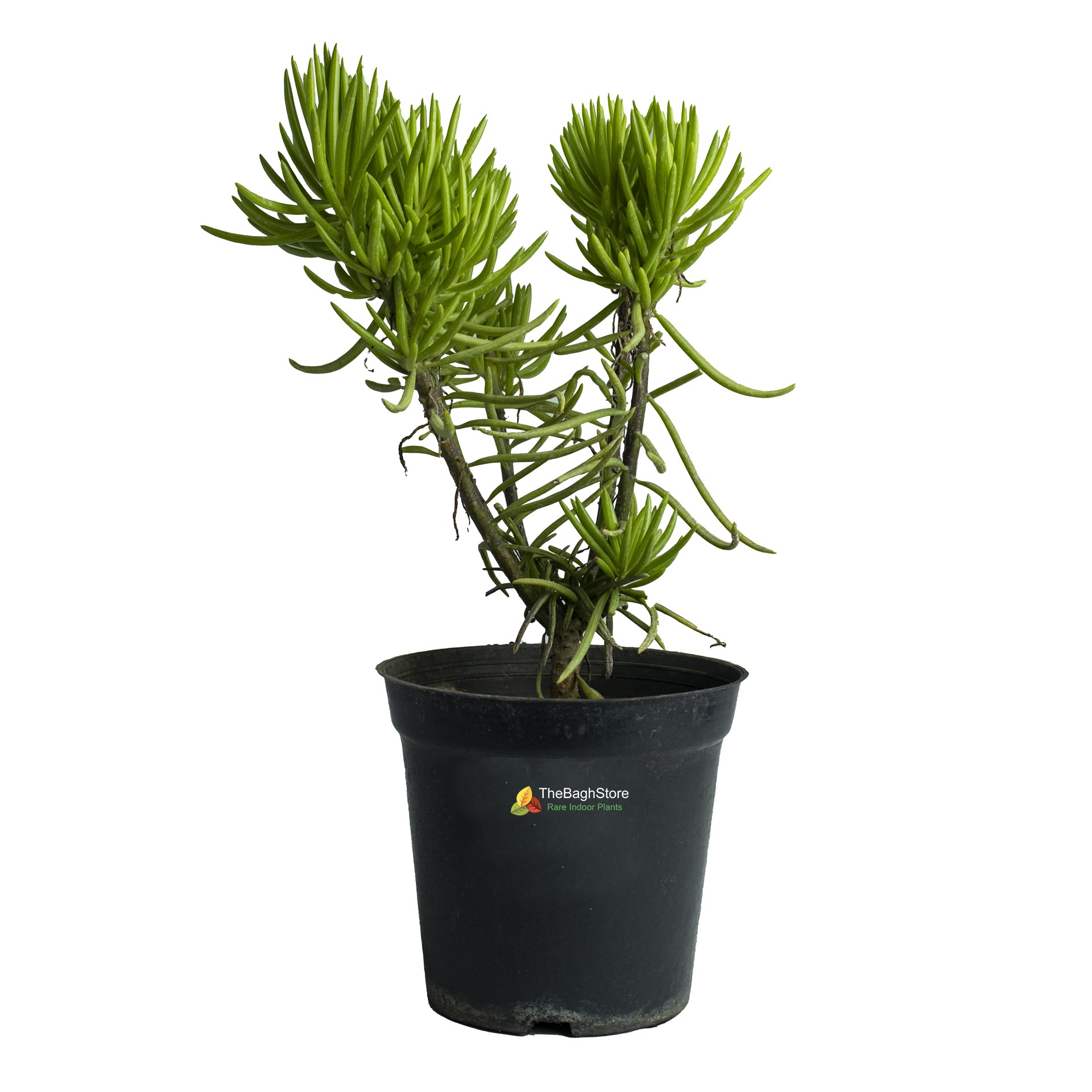
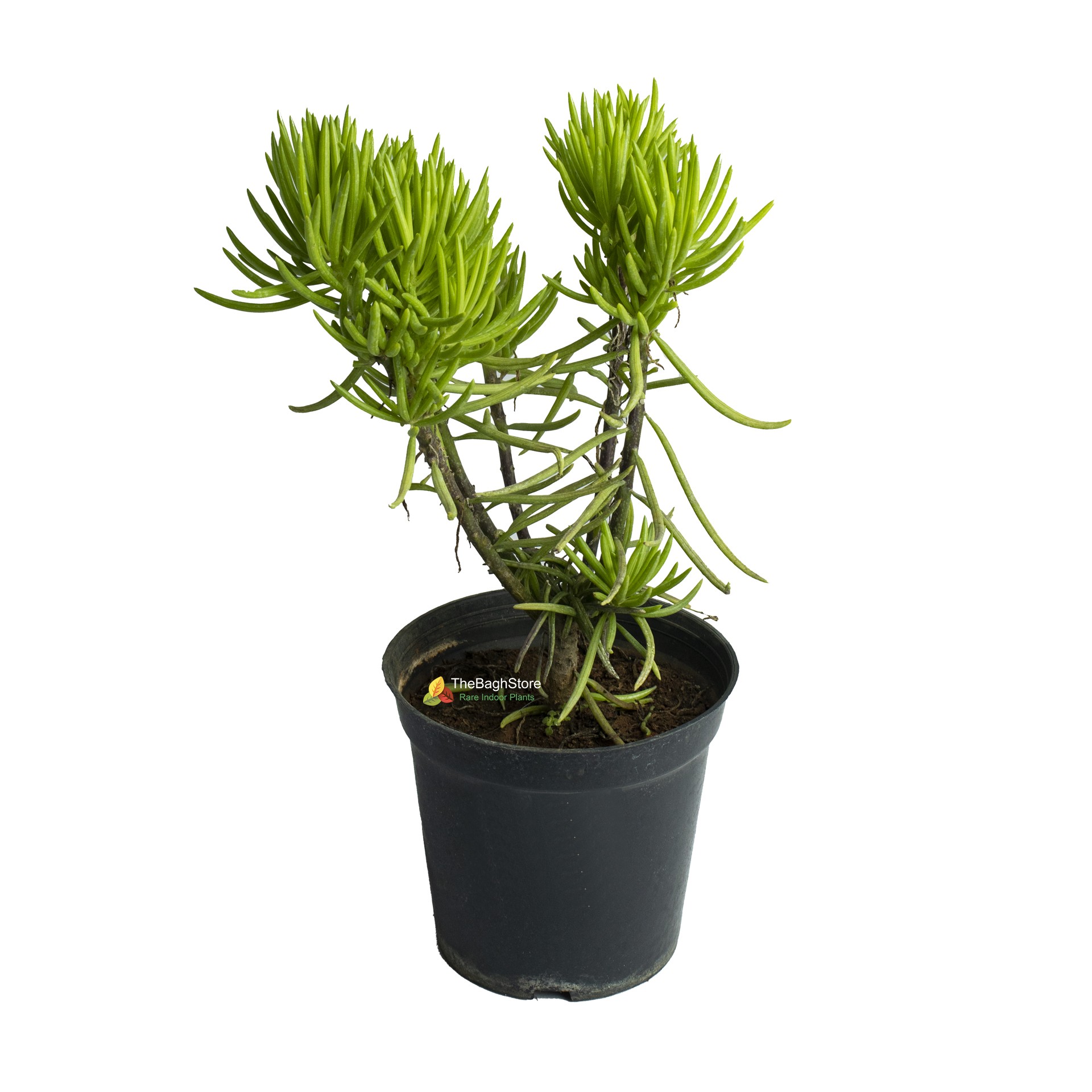
The Cypress Spurge or Euphorbia Cyparissias, is a herbaceous plant with tall stems, slender leaves, and yellow crescent-shaped glands on the rims of its cup-shaped blooms. The mature tree looks like tiny spruce or cypress.
General
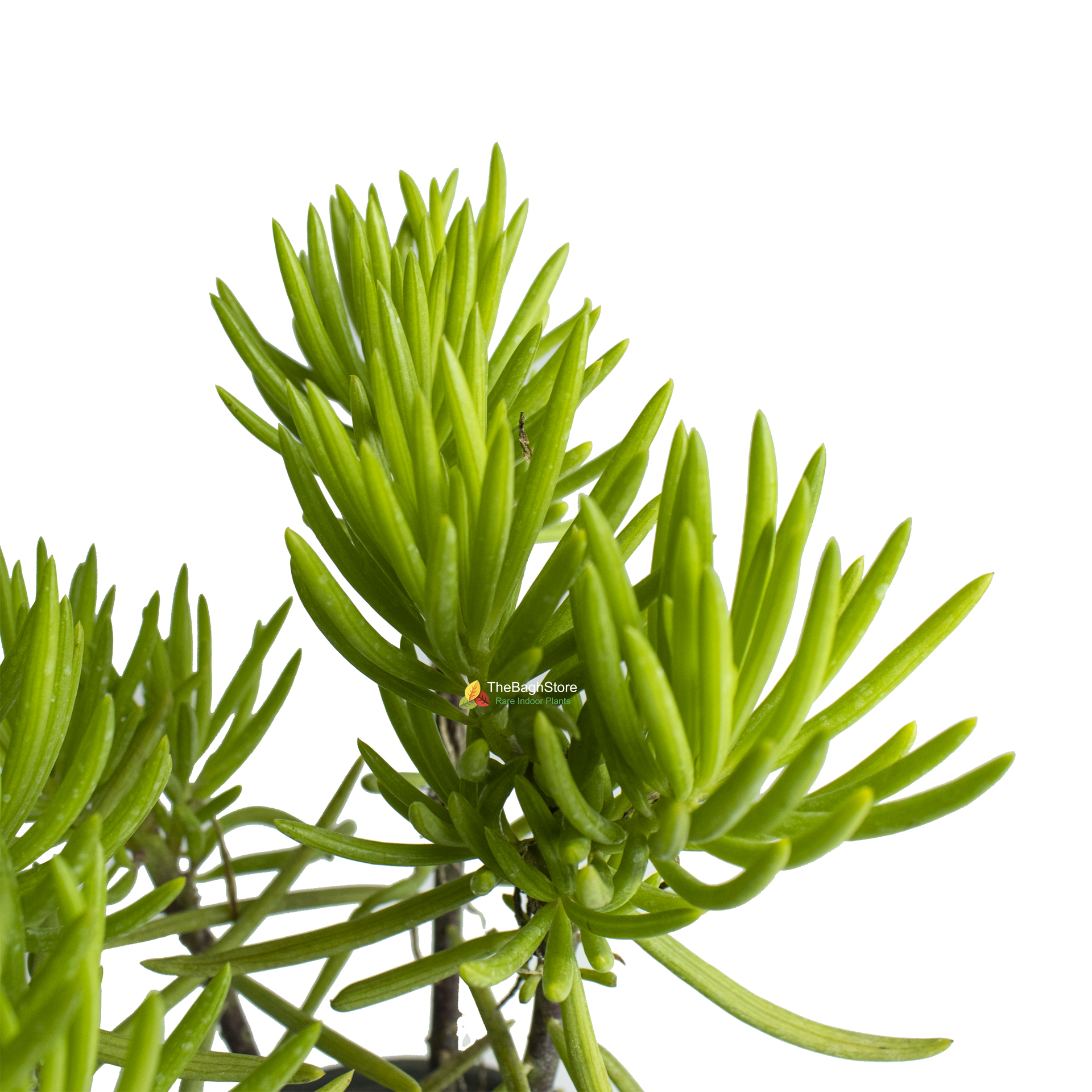
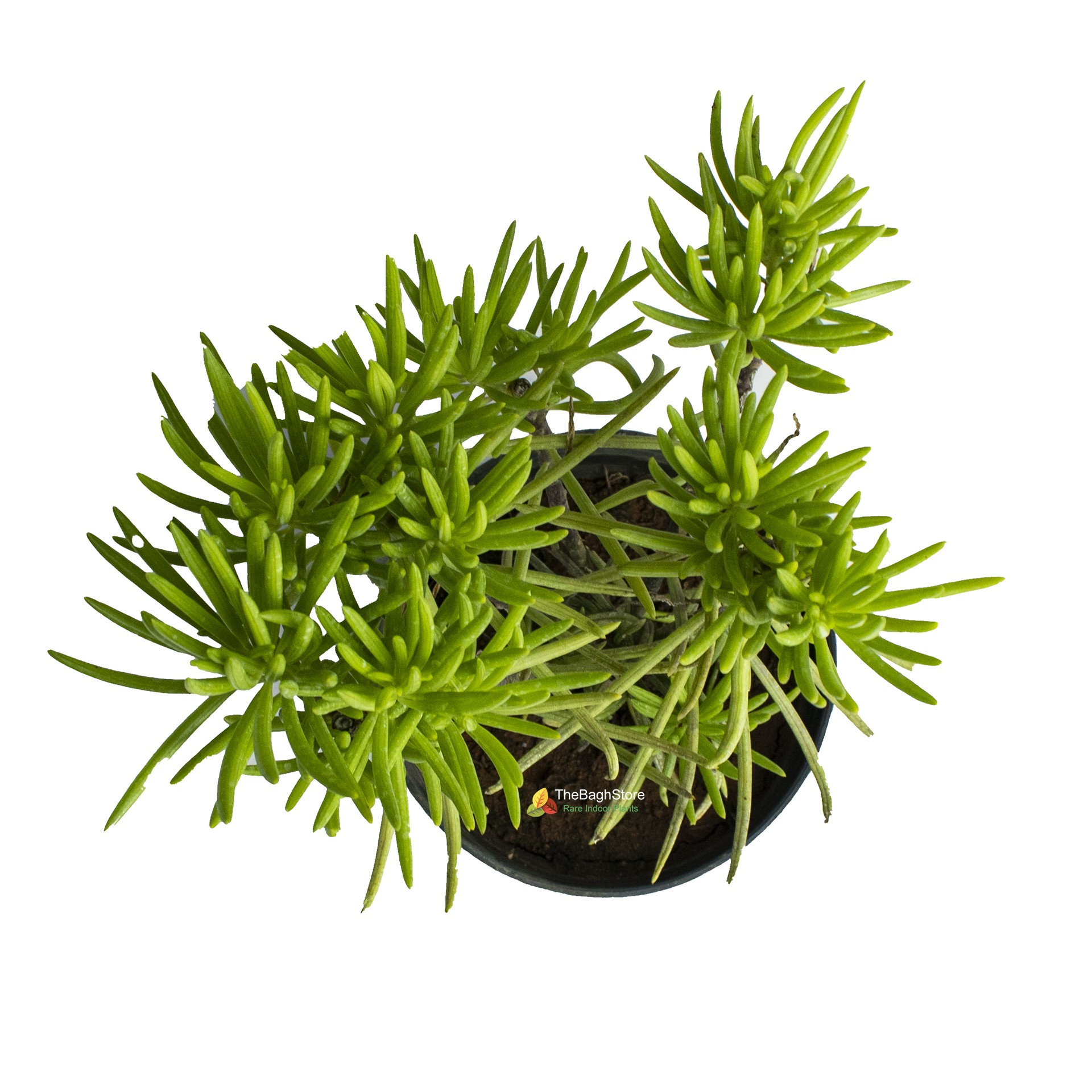
The delicate, needle-like foliage resembles that of a bottlebrush, and the chartreuse blooms cluster together at the stem tips.It grows on the rough, gravelly soil of roadsides, pastures, and meadows across North America.Cypress spurge grows best in open, unkempt settings.Place your plant in the balcony garden.Sunlight
Place your Euphorbia Cyparissias in a lot of bright, direct sunshine.Your Euphorbia Cyparissias needs at least 5 to 6 hours of direct sunlight.Watering
Water your Cypress spurge when the soil is dry.If your Cypress spurge plant is in a container, it will need to be watered more frequently in the summer, possibly every day.Soil
The ideal soil for Cypress Spurge is dry, well-drained soil.Poor soils, especially rocky, sandy soils, are tolerated by your Euphorbia plant.Fertilizer
A fertiliser isn't truly necessary for your Euphorbia plant as it go dormant in winters.Toxicity
Your Cypress Spurge plant is toxic for pets and kids.Additional Care
It's important to keep in mind that the milky latex sap that leaks from broken leaves and stems can be harmful to the skin and eyes. When working with your Euphorbia Cyparissias plant, make sure to use gloves and eye protection.Troubleshooting
Is your exotic plant getting lanky and just producing a few flowers? Reduce the size of your Euphorbia plant to encourage new growth and branching.Is the colour of your Euphorbia plant leaves fading? It suggests that there isn't enough sunlight. Place your plant near a window that gets plenty of light.





Reviews
There are no reviews yet.