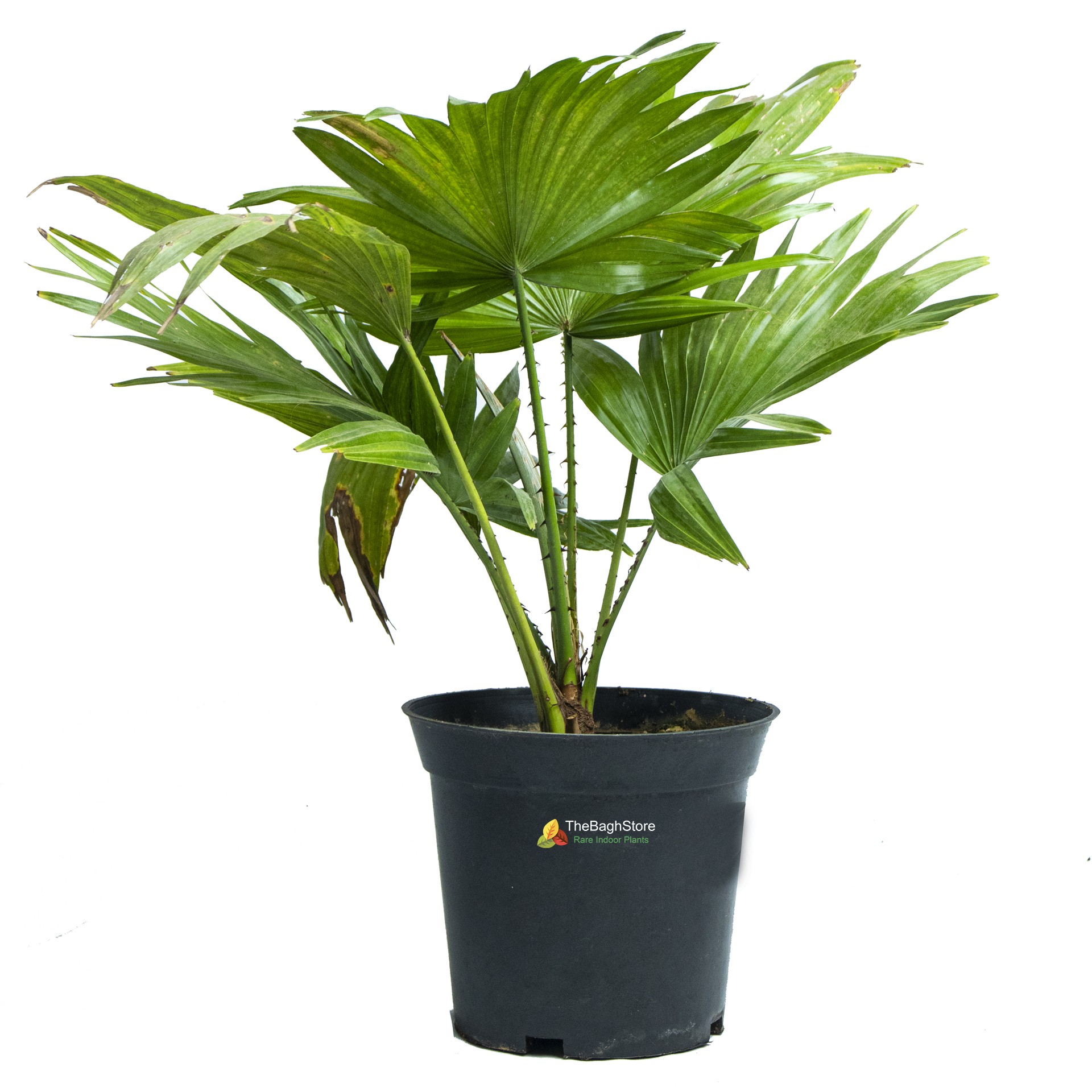
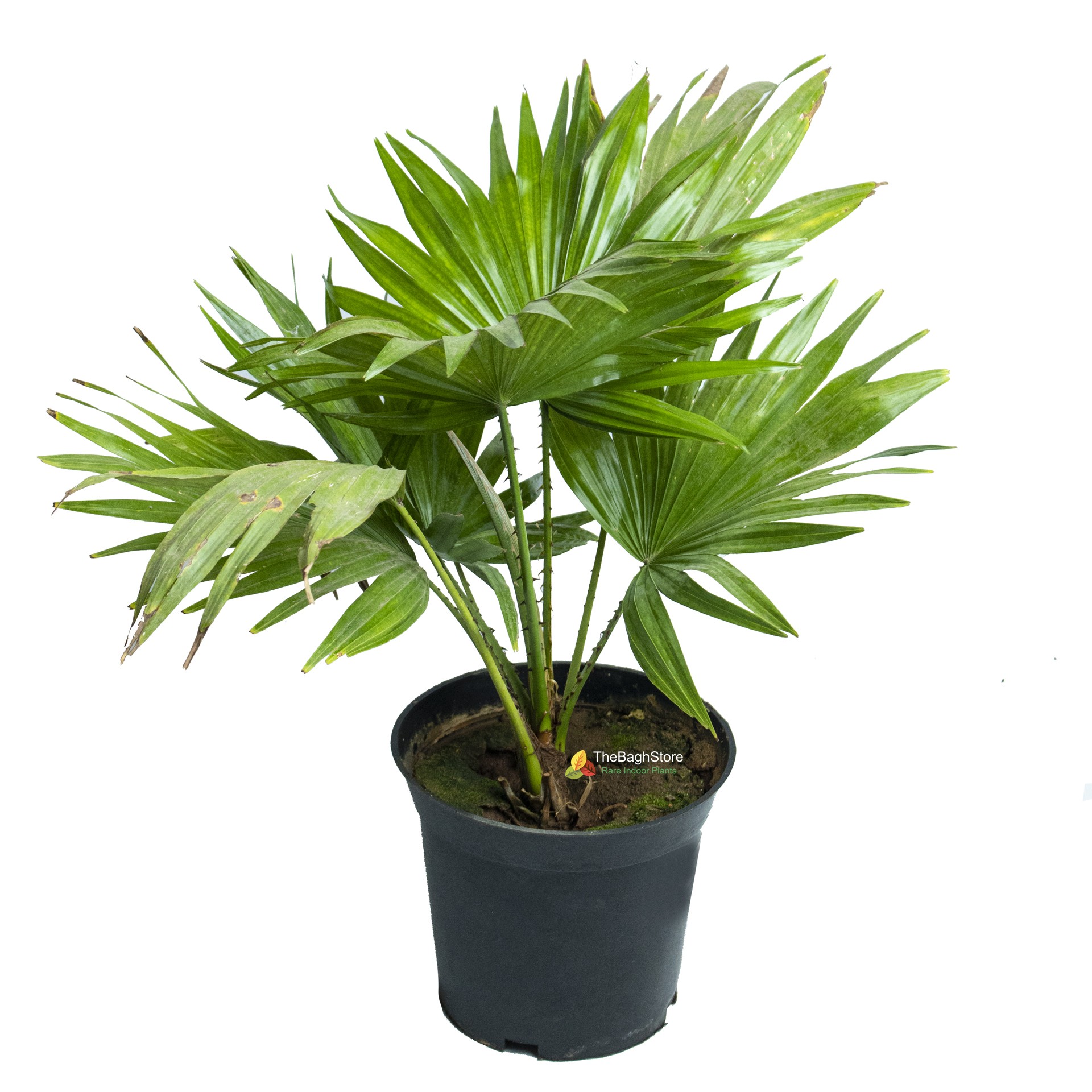
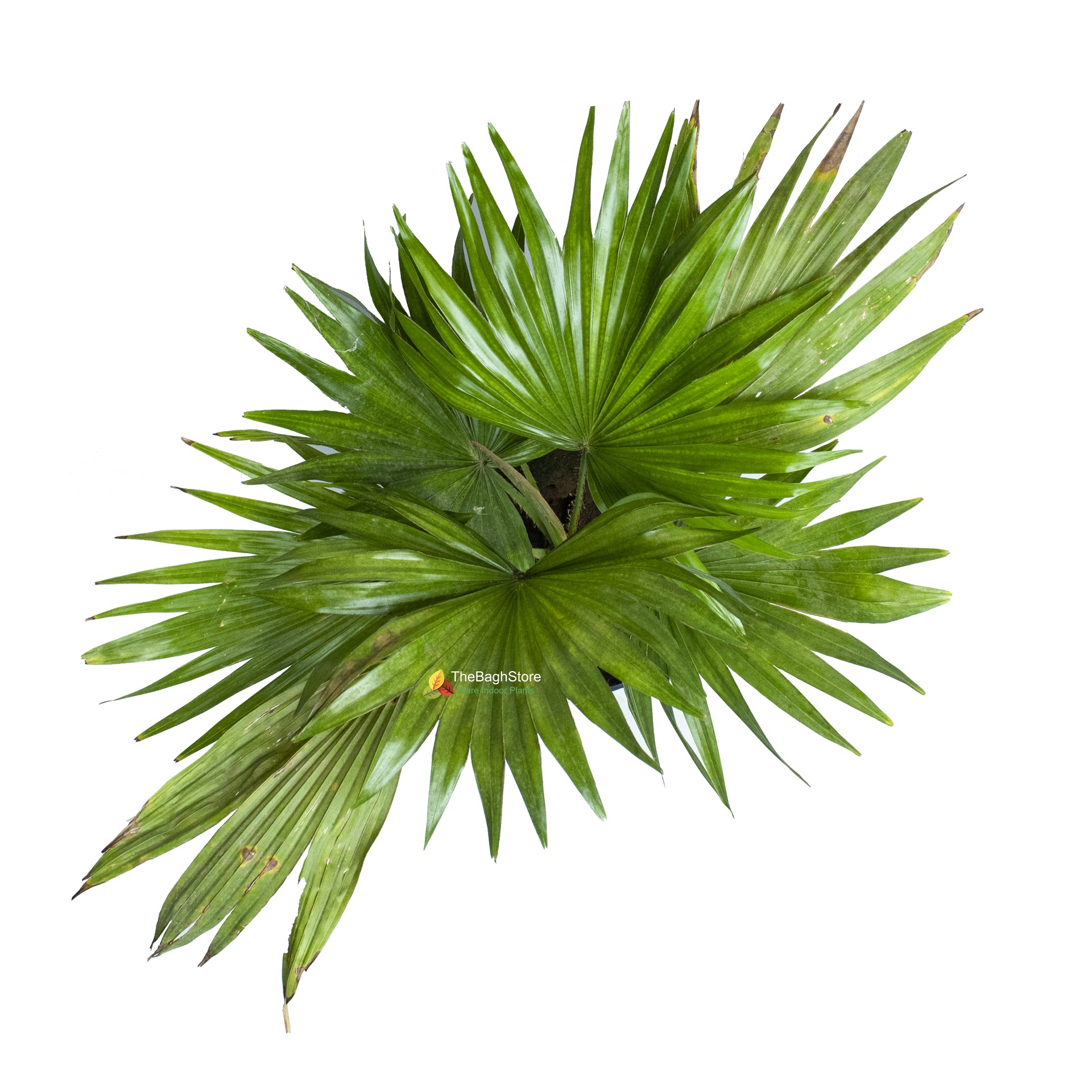
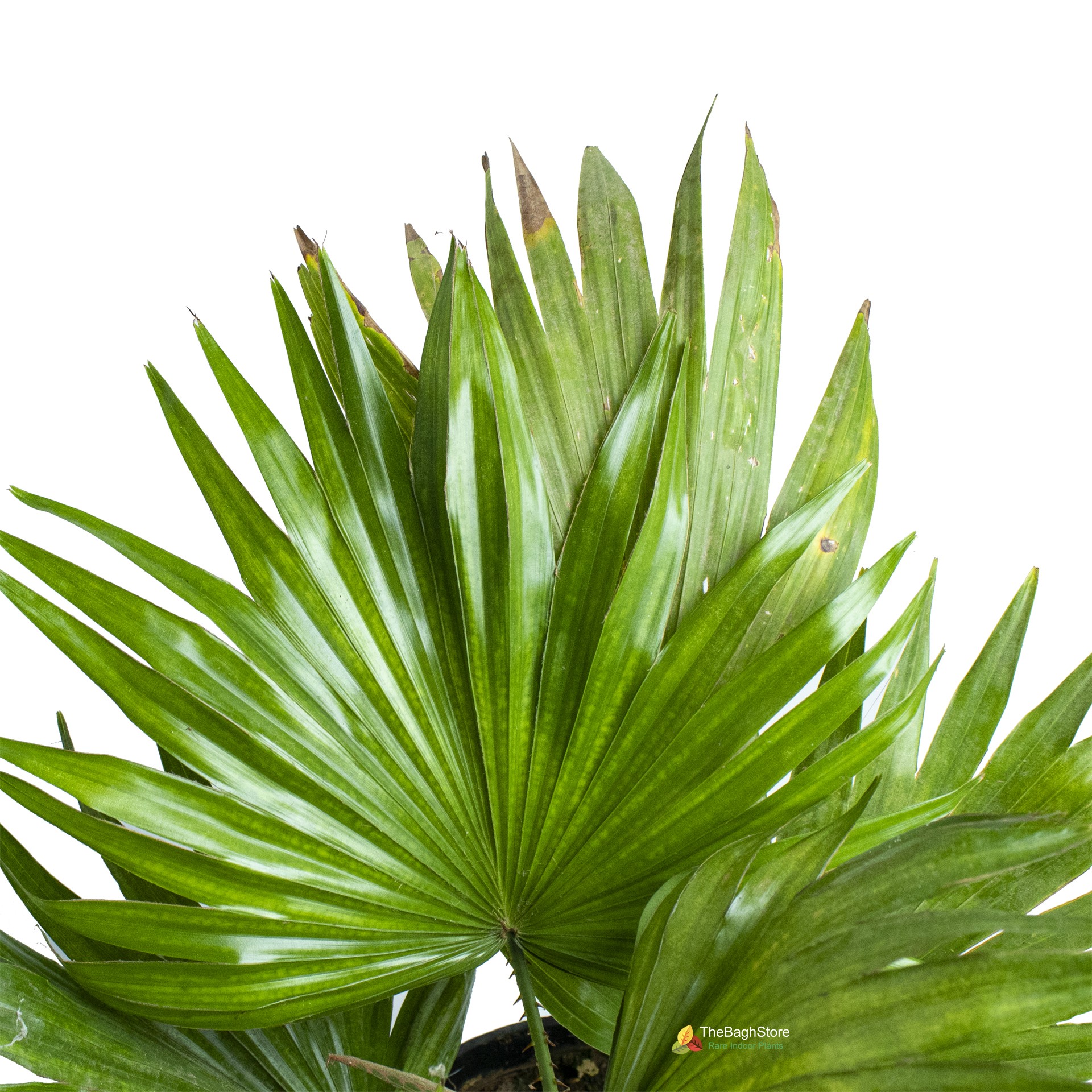
The Arecaceae family includes the table palm, which is a perennial evergreen palm. Single-trunked fan palm with medium-sized leaves, the young palm are shallowly lobed. Older palm leaves are more polarised, with long lance-shaped segments radiating outwards like umbrella spokes.
General
The Table Palm's seemingly infinite popularity can be attributed to its interior-friendly size, which can range from a few inches to a few feet.The Areca Palm Plant enduring legacy is helped by the fact that it isn't choosy about where it grows and only requires a little regular care.The plant is named "elegans" for a reason: the lush, arching pinnate leaves are an exquisite addition to any tabletop your palm resides on with a simple maintenance routine.Place your Umbrella Plant in the Balcony Garden.Sunlight
Place your Palm Plant in Bright Indirect Light.Your Palm Plant needs at least 3-6 hours of direct sunshine every day, especially in the morning, and natural indirect strong light for the rest of the day to thrive.Watering
Water your Umbrella plant when the topsoil feels dry to the touch, water it.Check the wetness in the soil with your finger or a little stick before watering.In the summer, water your exotic plant thoroughly. In the winter and rainy season don't water.Soil
For your Areca Palm plants, the soil should be well-drained and fertile, with plenty of organic matter.Your Umbrella Palm thrives in the pH range of 6.5 to 7.5.Fertilizer
Feed your Table Palm plant in Summers.There is no need for fertilizer in Winters.Toxicity
Your Table Palm is Non-Toxic to Pets and Kids.Additional Care
Your Umbrella Palm will be harmed by cold draughts from windows or doors, so ensure sure they are placed somewhere where draughts will not be an issue.Troubleshooting
Your Table Palm suffering from dry leaves and Brown tips? Cold draughts or lengthy periods of dryness are likely the cause behind this. To solve this before overwatering, raise the humidity levels to correct the condition.Your Umbrella Palm is susceptible to fungus leaf spots and root rot? Excessive watering is usually indicated by these symptoms. In this scenario, the most effective treatment is prevention. Allow the soil to dry between watering sessions and make sure you have a proper drainage system in place.







Reviews
There are no reviews yet.