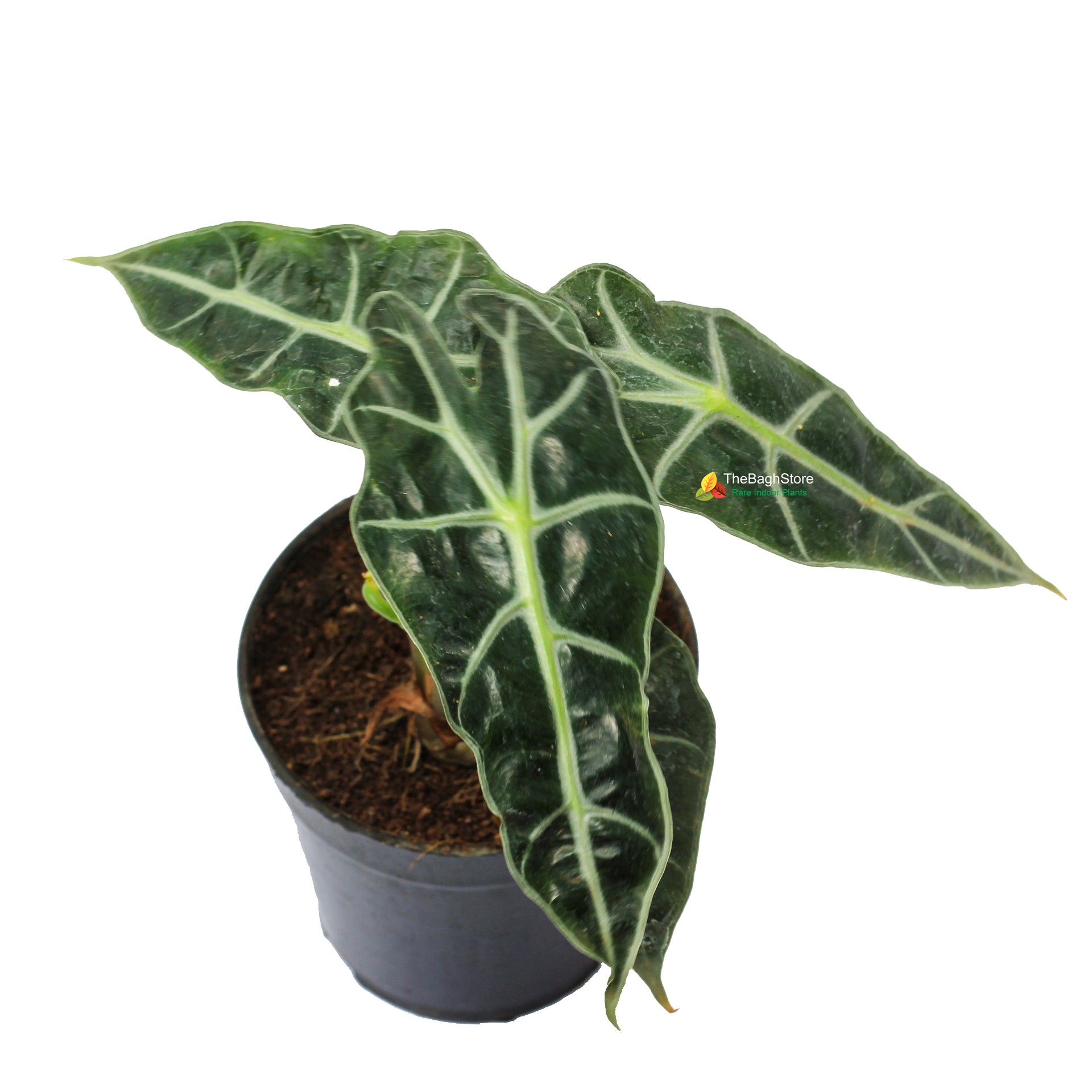
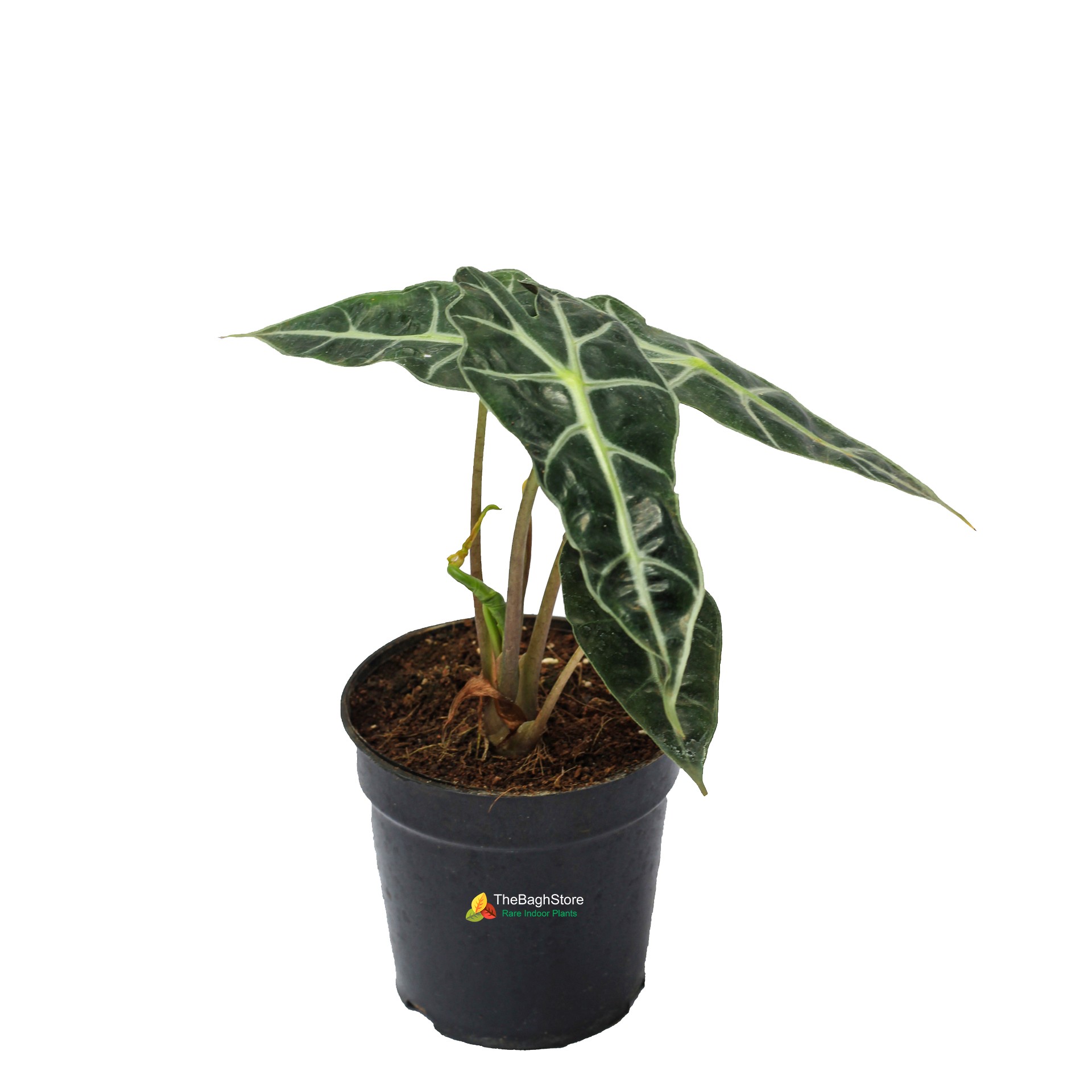
Alocasia Amazonica Plant is also referred to as the African Mask Plant or
Elephant Ear Plant, is a beautiful indoor tropical plant with colorful veins on its dark green leaves. There are about 79 Alocasia
varieties with varying
leaf shapes from thin arrowheads to wide heart shapes. Their stunning foliage will be a great addition to your household for years to come. This indoor tropical beauty with the proper maintenance will thrive and create a piece of tropical paradise right in your home.
General
The Alocasia Plant can increase in the right conditions. They can reach a height of 2 feet.The African Mask Plant will bloom in spring and summer and rest in winter.Occasionally, a well-looked-after Alocasia may produce a light butter-yellow flower.Sunlight
Your Alocasia Plant requires bright but indirect sunlight. Exposing them to direct sunlight will burn their leaves.Being a tropical plant, your Alocasia Plant enjoys a temperature of 65-85℃ with above-average humidity.Watering
During the growth season, water your Alocasia regularly to ensure the soil is moist but not soggy.However, this indoor plant will rest in winter. During this period, reduce watering significantly and let the soil become almost dry between watering.Do not overwater as it will lead to root rot, damaging the growth of the plant.Soil
To keep the roots aerated at all times – even after being thoroughly drenched – the mix should be coarse and free-draining.To do this, the medium should contain a combination of structural and water-retaining elements.Because the Black Velvet Alocasia prefers somewhat acidic soil with a pH of 5.5 to 6.5, some organic debris is tolerated.Fertilizer
Make sure to feed your Alocasia a general houseplants fertilizer enriched with iron every four weeks in its active growth period. Avoid feeding your plant in winter.Toxicity
Alocasia is toxic if consumed and not suitable for spaces with pets and children.Additional Care
Tropical queen, alocasia enjoys the right humid spot in your home. Mist the plant regularly or use a pebble tray to provide it ample humidity. So it's a good idea to set the pot in a saucer of water elevated by pebbles. The pebbles will prevent the roots from sitting directly in the water, which will cause rotting.Apply fertilizer only to damp soil to avoid burning the roots.Every few weeks, spray your Alocasia plant with warm soapy water to prevent common pests like mealy bugs, scale, aphids, and spider mites. It will also keep your plant dust-free. If an infestation occurs, use an ultra-fine insecticide oil or Neem Oil to kill the pests and their eggs.Troubleshooting
Leaf brown tips - Indicates your alocasia is underwatered - Set up a regular watering schedule to ensure the soil is always moist but not soggy.Leaves turning yellow - Although some yellowing of the leaves at the bottom can be natural, it could be the first signs of root rot when the soil is also wet - Always ensure excess water is drained out from the pothole. One more reason for yellowing also leaves below sunlight.Spots on leaves - Alocasias are sensitive to salts, minerals, and chlorine in tap water - Use RO or distilled water.Dry, crispy leaves: Indicates humidity surrounding the plant is too low.Leaves fading and dying in fall/winter: Alocasia goes into dormancy as temperatures drop and days shorten - Reduce your watering.









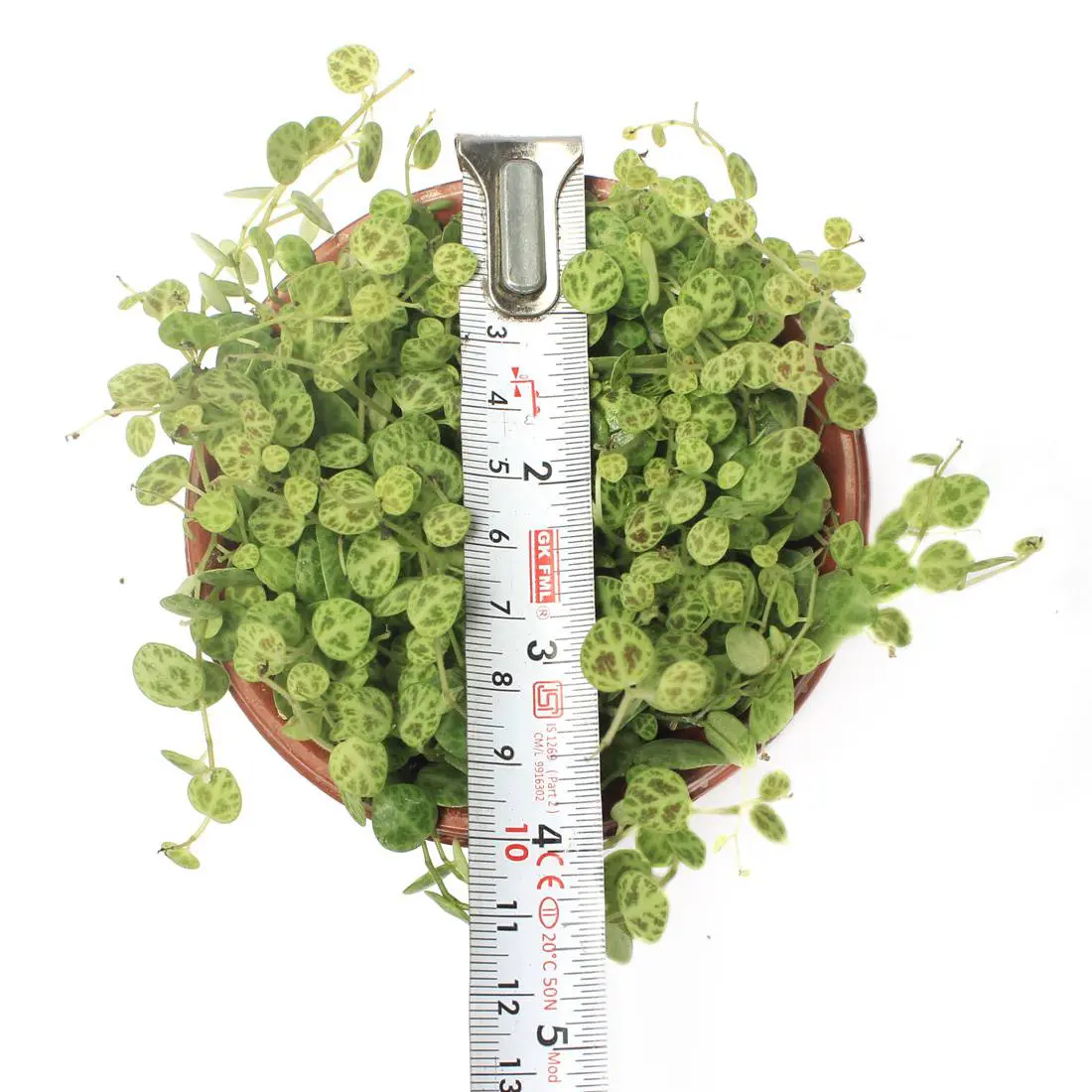
Nehu –
It is a beautiful indoor best plants with colourful veins on its dark green indoor leaves plants. Their stunning foliage plants India will be a great addition to your home. I found this online indoor plant, its wide heart shapes leave look like an Elephant Ear which look awesome in our home.